For decades, infrastructure deployment has followed the same basic process: unbox the hardware, configure it manually, and repeat the same steps for every new device.
That approach worked when networks were small and deployments were limited to a handful of locations. But as infrastructure has expanded across cities, campuses, and distributed environments, manual deployment has become a bottleneck.
At modern scale, configuring devices one at a time simply doesn’t work.
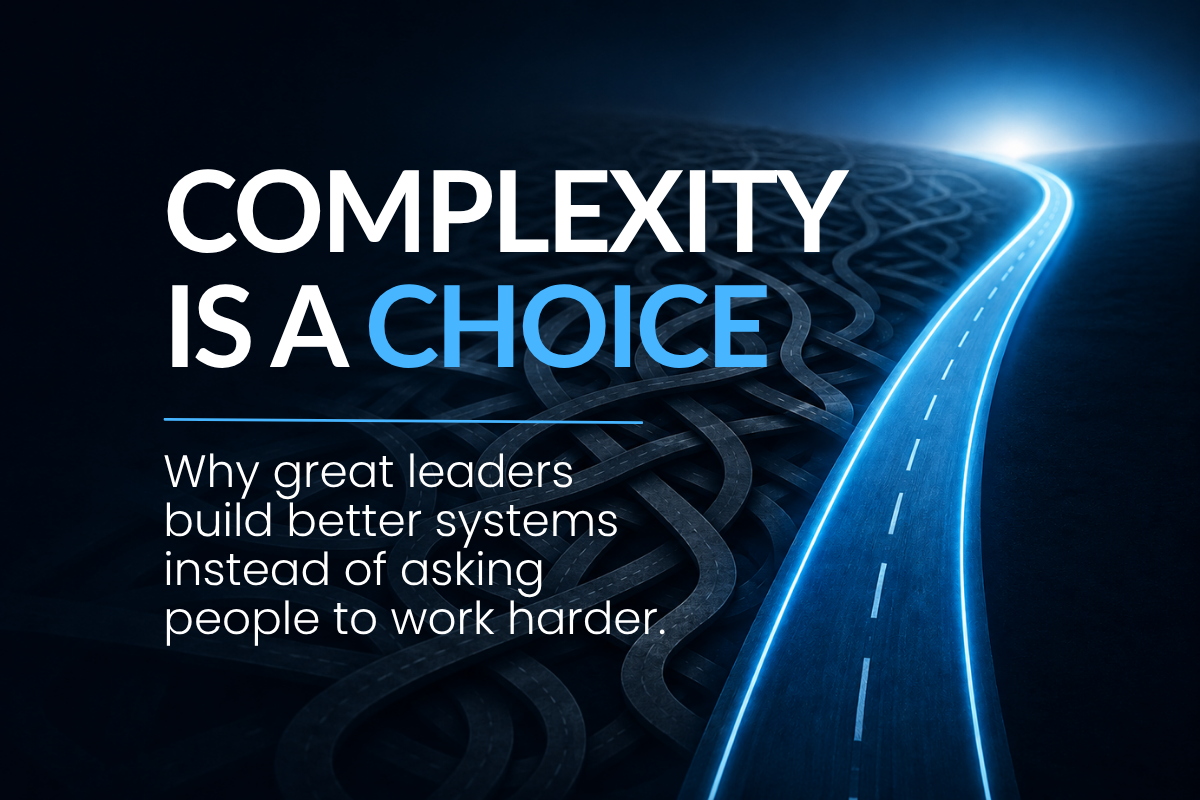
Today’s infrastructure requires a different model — one designed for connected systems that can deploy quickly, remain consistent, and scale without creating operational complexity.
Why Traditional Deployment Breaks Down
Manual configuration creates several problems as networks grow:
Every device becomes its own project, requiring technicians to repeat the same configuration steps again and again.
This model turns infrastructure growth into an operational burden.
A System-Based Approach to Deployment
Optylink replaces manual device installations with a deployment system built for modern connected infrastructure.
Instead of configuring each device individually, Optylink enables infrastructure to deploy through standardized system workflows.
Devices can:
- 1Identify themselves when connected
- 2Configure automatically based on deployment standards
- 3Integrate into the network without manual setup
- 4Help extend the infrastructure once they’re online
This approach shifts the focus away from managing individual devices and toward managing deployment standards.


Infrastructure That Scales With You
When deployments are standardized and automated, infrastructure becomes significantly easier to scale. Teams can deploy faster, maintain consistent configurations across every location, and expand networks without increasing operational overhead.
Rather than spending time configuring hardware, organizations can focus on building and growing their infrastructure. The result is a network that installs faster, operates more reliably, and grows without complexity.
The Next Evolution of Infrastructure
As connected infrastructure continues to expand, the way we deploy it has to evolve. Manual installation processes were built for a different era of networking.
The future belongs to systems that can deploy themselves, configure automatically, and operate as part of a coordinated network. Because the future of infrastructure isn’t built device by device.
It’s deployed system by system.
This approach shifts the focus away from managing individual devices and toward managing deployment standards.